



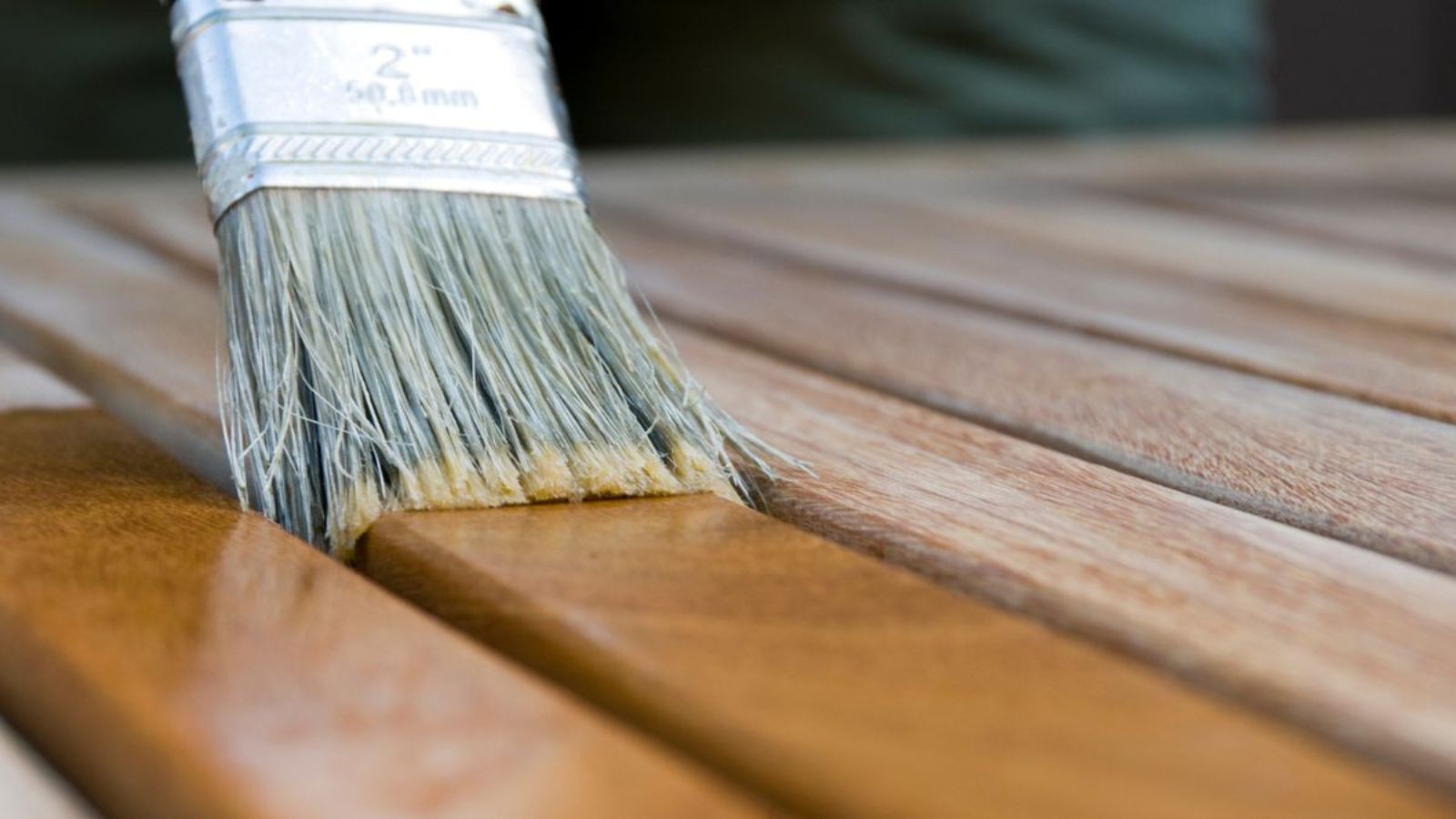
Deck stain or seal protects wood surfaces from water, sun exposure, and seasonal wear when applied at the right time in spring. These treatments are most effective after a deck has endured winter conditions, including moisture exposure and temperature fluctuations. While visible fading or cracking is often the first sign of wear, damage can also occur beneath the surface, gradually weakening the wood over time.
Understanding how deck stain or seal works—and when to apply it—helps ensure lasting protection. Factors such as wood moisture levels, temperature, and surface preparation all influence how well coatings penetrate and protect the deck throughout the year.
Benefits of a Deck Stain or Seal in Spring
Extending Deck Lifespan
Applying a deck stain or seal at the proper time helps prevent water infiltration, UV damage, and warping. Treated wood resists cracking and splitting, preserving structural integrity through spring, summer, and beyond.
Spring application also helps protect against mold and mildew caused by seasonal rain and humidity. Addressing these risks early reduces the likelihood of costly repairs later and helps maintain the deck’s usability for outdoor living.
Enhancing Appearance and Comfort
A fresh stain or seal keeps decks looking clean and well-maintained. Protective coatings reduce splintering, limit sun fading, and make routine cleaning easier by preventing dirt buildup.
Properly sealed decks are also more comfortable underfoot and safer for everyday use. Maintaining the finish helps extend the life of the deck and simplifies future maintenance.
Ideal Conditions for Staining or Sealing
Temperature and Weather Requirements
Moderate temperatures and dry weather provide the best conditions for applying a deck stain or seal. Daytime temperatures between 50°F and 85°F allow coatings to cure properly. Rain should be avoided for at least 24–48 hours before and after application to ensure good adhesion.
Humidity and wind can also affect results. High humidity may slow drying times, while strong winds can cause uneven coverage or introduce debris into the finish. Selecting a stable weather window improves durability and appearance.
Wood Moisture Content
Wood should be dry before staining or sealing, with a moisture content below 20 percent. Waiting several days after rainfall and using a moisture meter helps confirm readiness.
Dry wood absorbs coatings more evenly, allowing the stain or sealer to penetrate properly. This leads to consistent coverage and long-term protection throughout the warmer months.
Preparing the Deck for Staining or Sealing
Cleaning and Repairing
Proper preparation starts with thorough cleaning to remove dirt, mildew, and old residue. Pressure washing or scrubbing with a deck cleaner improves absorption and finish quality. Sanding rough areas and replacing loose boards creates a smooth, stable surface.
Addressing minor repairs beforehand prevents future issues and improves overall results. A clean, solid deck allows the coating to bond fully and perform as intended.
Choosing the Right Product
Deck stains and sealers are available in transparent, semi-transparent, and solid options. Semi-transparent products offer color while allowing wood grain to show, while solid stains provide maximum UV protection and durability.
Choosing the right product depends on deck condition, desired appearance, and maintenance expectations. Higher-quality coatings often last longer and require fewer applications over time.
Application Tips for Long-Lasting Results
Timing of Application
Morning or late afternoon is ideal for staining or sealing, as direct sunlight can cause streaking or uneven drying. Working in small sections helps maintain consistent coverage and reduces lap marks.
Using the recommended tools, brushes, rollers, or sprayers, ensures proper penetration on deck boards, railings, and edges.
Layering and Coverage
Most products require one or two coats, depending on manufacturer instructions. Allowing proper drying time between coats strengthens the protective barrier and prevents peeling.
Full and even coverage improves resistance to water, sun exposure, and foot traffic, helping the deck maintain both appearance and performance over multiple seasons.
Seasonal Maintenance After Staining or Sealing
Inspection and Touch-Ups
After spring application, periodic inspections help catch wear early. Look for fading, worn areas, or water pooling. Small touch-ups prevent minor issues from developing into larger problems.
Checking the deck after heavy use or storms ensures protection remains intact throughout the season.
Cleaning Practices
Routine cleaning helps extend the life of a deck stain or seal. Sweeping debris and washing with mild soap prevents buildup that can degrade the coating. Avoid harsh chemicals that may strip protective finishes.
Consistent maintenance keeps the deck looking good and protects the underlying wood for years to come.
Support Up Construction
At Support Up Construction, we provide complete residential improvement solutions designed to enhance the comfort, function, and value of your home. From custom decks and railings to flooring, windows and doors, trim work, bathroom renovations, shower remodels, HVAC services, sheds, and pergolas, every project is designed and built with precision by our owner and experienced craftsmen.
As a hands-on builder and designer, our founder personally oversees each project to ensure quality craftsmanship, dependable service, and long-lasting results you can trust.
Ready to upgrade your home?
Contact Support Up Construction today to discuss your next home improvement project.
Comments are closed